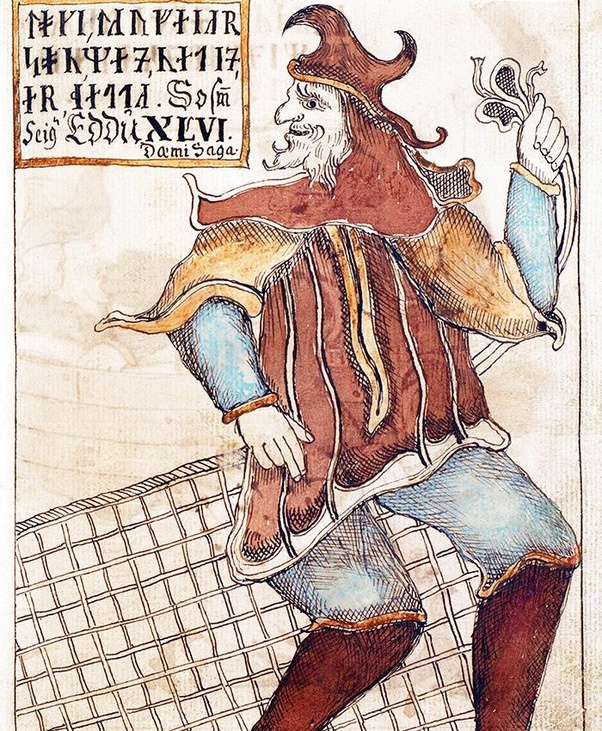
The Best Norse Mythology Loki Description References. Loki, in norse mythology, a cunning trickster who had the ability to change his shape and sex. In norse mythology, loki is looked at as a cunning trickster that was able to change his shape.
What are the physical descriptions of Loki? Quora from www.quora.com
In the form of a mare, loki was impregnated b… One example of how tricky he was remains that he was sneaky. Loki was known for his.
He Does Not Ride Thors' Belt, He Holds On To It (Loki Helt Undir Megingjarðar, Skáldskaparmál.
By the jötunn angrboða, loki is the father of hel, the wolf fenrir, and the world serpent jörmungandr. For example, in the poem þrymskviða, loki helps thor get back his stolen hammer mjöllnir. But like so many fearsome beings in world myth, she serves a.
We Don’t Have Many Descriptions Of What The Gods Looks Like.
In norse mythology, loki is looked at as a cunning trickster that was able to change his shape. The only description of the god of mischief is that he was. The children of loki in norse mythology.
The Children Of Loki Are As Follows, Sleipnir — Son Of Loki And.
Loki’s origins and role in norse mythology have been much debated. Loki is known as the naughty trickster god in norse mythology. According to gylfaginning in the prose edda , loki was the son of fárbauti, a jötunn (giant), and laufey, a lesser known female god.
Though It Is Said Farbauti.
Loki is considered a god of fire. He is the son of farbauti, and laufey, who were giants. Trickery and maliciousness were surely among the principal traits of the norse god loki’s personality, but he was also a coward, as exemplified by the following myth.
One Example Of How Tricky He Was Remains That He Was Sneaky.
His jötunn heritage helps in explaining the. “loki” by mårten eskil winge (1890) loki had always been more of a burden than a help to the other gods and goddesses. Although his father was the giant fárbauti, he was included among the aesir (a.
Related Posts
norse
The Best Norse Mythology Loki Description References